
When the Final Whistle Drives the Economy: How Sports Marketing Turns Sport Into Sustainable Growth
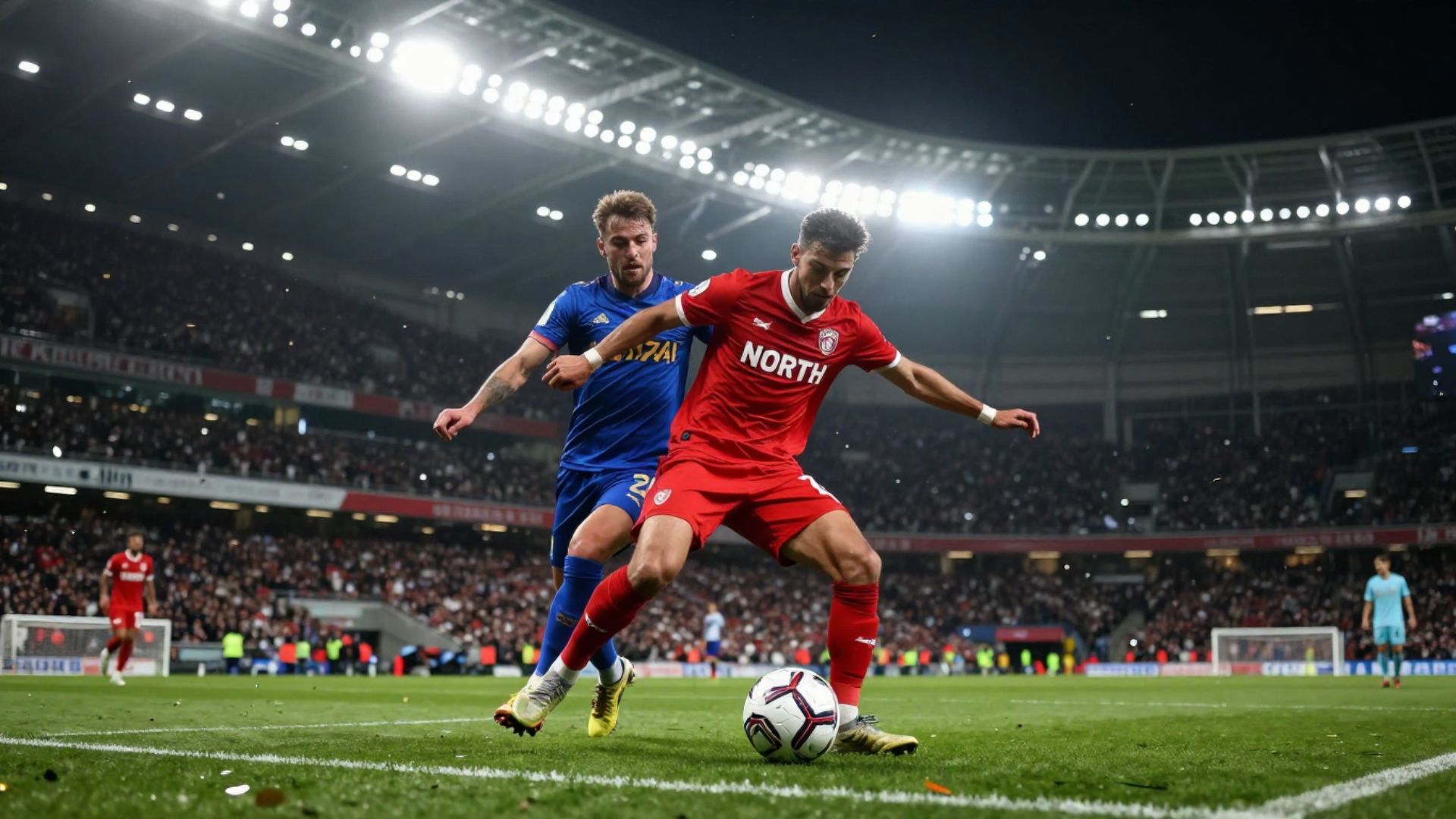
For 90 minutes, much of the world will look in the same direction.
Spain and Argentina meet today in New York–New Jersey for the 2026 FIFA World Cup Final, closing the largest edition of the tournament to date: 48 national teams, three host countries and 16 host cities connected through a single global sporting experience.
The match will produce a champion. Yet its influence will extend much further than the pitch.
Travellers have crossed borders. Hotels have filled rooms. Restaurants and entertainment venues have welcomed new audiences. Broadcasters, sponsors, retailers, technology companies and digital platforms have competed for attention. Cities have invested in infrastructure, experiences and their international image.
This movement does not begin with the final, nor does it end when the trophy is lifted.
It reveals something larger about the modern sports economy: sport creates an exceptional concentration of attention, emotion and participation. Marketing determines how effectively that energy travels through the wider economy—and whether it produces a temporary increase in activity or a platform for sustained growth.
The World of Sports Is an Economic Ecosystem
Sport is often viewed as a self-contained industry, measured through clubs, competitions, athletes, ticket sales and broadcasting rights. In reality, its economic influence extends far beyond the boundaries of the game itself, reaching industries that may appear disconnected until a major sporting event brings them together.
When the world gathers around a competition like the FIFA World Cup, aviation, hospitality, food and beverage, retail, local transportation, media, telecommunications, security, technology and tourism all become part of the same commercial ecosystem. Public infrastructure, city branding and destination marketing also play an important role, demonstrating that the value generated by sport is rarely confined to stadiums or sporting organizations alone. Instead, it flows across an interconnected network of businesses, institutions and communities that collectively shape the experience for millions of people.
The 2026 FIFA World Cup offers a compelling example of this wider impact. An economic analysis referenced by FIFA estimates that the tournament could contribute approximately $40.9 billion to global GDP, generate $8.28 billion in social benefits and support nearly 824,000 full-time-equivalent jobs worldwide, while welcoming an estimated 6.5 million spectators across the three host nations. These figures illustrate the remarkable scale of the tournament, but they capture only part of its economic story.
The broader influence of sport is equally visible in thousands of everyday commercial interactions that rarely make headlines. A fully booked hotel during match week, restaurants extending service hours to accommodate supporters, local suppliers fulfilling increased demand, retailers responding to heightened consumer interest, or tourism businesses introducing international visitors to destinations they may return to long after the competition has ended—all of these contribute to an economic ripple effect that extends well beyond the event itself.
Ultimately, sport becomes far more than entertainment. It creates reasons for people to travel, gather, spend, discover and participate. Its impact is both immediate and enduring, generating direct economic activity while simultaneously creating new opportunities for businesses, destinations and communities long after the final whistle has blown.
Every Sporting Moment Creates a Chain of Opportunity
A powerful sporting moment rarely creates value for only one organization.
When a team progresses through a tournament, ticket demand can rise. Merchandise receives greater attention. Sponsors gain visibility. Publishers produce more content. Hospitality venues attract larger audiences. Local destinations become associated with the event. Children become interested in joining academies. Supporters enter digital communities that may remain active long after the competition ends.
One result can activate an entire chain of economic activity.
The same pattern appears beyond global tournaments.
A successful basketball team can strengthen local sponsorship demand. A well-organized marathon can increase weekend tourism. A cycling event can introduce a region to an international outdoor audience. A sports academy can create relationships with families, schools, equipment brands and health professionals. A hotel can use wellness and active experiences to extend its relevance beyond accommodation.
The opportunity is not limited to elite sport.
It exists wherever sport brings people together around participation, identity, aspiration or shared experience.
This includes:
- professional clubs and federations;
- local academies and training centres;
- gyms and wellness businesses;
- sports tourism destinations;
- races, tournaments and community events;
- sports technology companies;
- apparel and equipment brands;
- rehabilitation and performance services;
- hospitality businesses connected with active travel;
- municipalities seeking cultural and economic visibility.
Every part of this ecosystem can create value. The central challenge is connecting that value effectively.
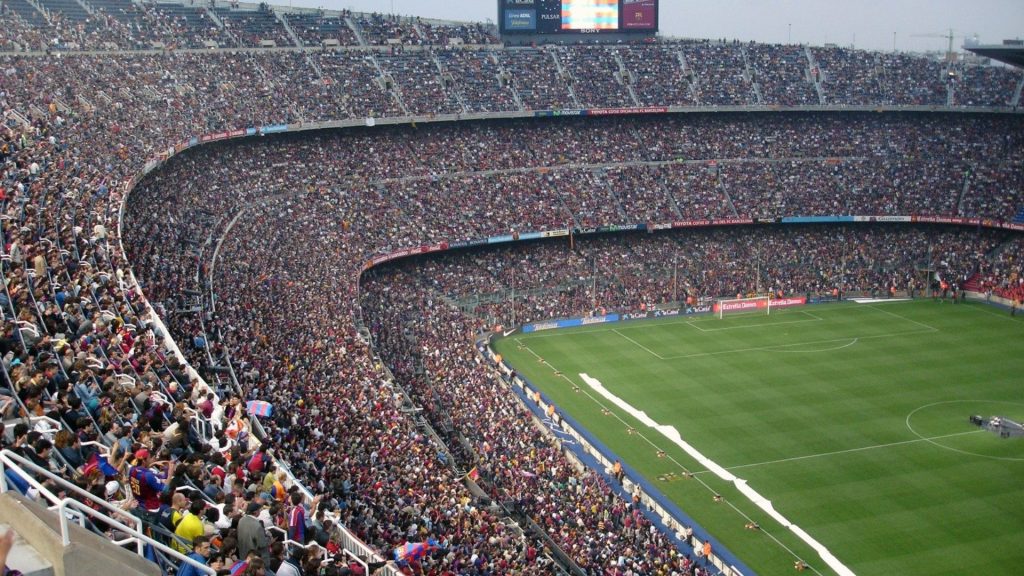
Sports Marketing Connects the Ecosystem
Sport has an extraordinary ability to attract attention, but attention alone has never created lasting economic value.
Every competition generates audiences. Every victory produces headlines. Every major event brings people together around a shared emotional experience that naturally benefits clubs, athletes and supporters. Yet the wider commercial impact of sport has never depended solely on the spectacle itself. It depends on what organizations are able to build around that attention once it exists.
This is where marketing becomes one of the most influential forces within the sports economy.
Contrary to popular perception, its role is not simply to promote an event or increase ticket sales. Marketing provides the strategic framework through which the influence of sport extends beyond the boundaries of competition, allowing one moment of public attention to create value across an entire network of businesses, institutions and communities.
A successful sporting event, for example, is never experienced only by the people inside the stadium. Sponsors seek stronger brand affinity with supporters. Hotels welcome travelling fans. Restaurants and retailers experience increased demand. Municipalities strengthen their international profile. Tourism organizations showcase destinations to future visitors. Sports academies inspire new registrations, while broadcasters, technology providers and commercial partners all participate in the same economic cycle. Although each organization pursues different objectives, they are ultimately connected by a single asset: the audience that sport has brought together.
The challenge is that these relationships rarely develop on their own. A sold-out stadium does not automatically create customer loyalty. International media exposure does not guarantee long-term tourism. Sponsorship visibility does not necessarily produce commercial return. Even the strongest sporting brands can lose significant opportunities if the audience disappears as quickly as it arrived.
Marketing exists to prevent that from happening. Its purpose is to understand how audiences behave before, during and after an event, to identify where meaningful relationships can be developed, and to design experiences that encourage those relationships to continue long after the competition has ended. Rather than treating every interaction as an isolated campaign, marketing connects each touchpoint into a continuous journey—transforming spectators into members, visitors into returning customers, supporters into communities and communities into sustainable sources of economic value.
This is also where its contribution becomes measurable. The objective is no longer exposure for its own sake, but the creation of an ecosystem in which visibility leads to engagement, engagement generates data, data strengthens commercial partnerships, and stronger relationships create increasingly predictable revenue over time.
Ultimately, sport creates the opportunity.
Marketing determines how much of that opportunity is actually realized. The Digital Experience Begins Before the Event
The relationship between sport and its audience no longer begins when the gates open, nor does it end when supporters leave the venue.
Long before kickoff, people are already making decisions. They discover competitions through search engines, watch highlights on social media, compare ticket options, explore destinations, book accommodation, read reviews, follow athletes, join online communities and interact with content that gradually shapes their expectations. By the time they arrive at a stadium, sports venue or event, their experience has already been influenced by dozens of digital touchpoints.
The same is true after the event has ended. Supporters continue watching interviews, sharing moments, purchasing merchandise, discussing performances, planning future trips and engaging with the organizations they have just experienced. What was once a few hours of physical attendance has evolved into a continuous digital relationship that may continue for months—or even years.
This shift has fundamentally changed the role of marketing within the sports industry. Organizations are no longer responsible only for promoting an event. They are expected to design an experience that accompanies people throughout their entire journey, ensuring that every interaction contributes to a stronger relationship with the brand, the destination or the community behind it.
For clubs, this means thinking beyond matchday. A website is no longer simply a place to publish fixtures and announcements; it becomes the central hub where supporters buy tickets, become members, purchase merchandise, access exclusive content and build an ongoing relationship with the organization. Social media follows the same evolution. Rather than functioning solely as a promotional channel, it creates anticipation before an event, strengthens engagement while it is taking place and extends the conversation long after the final result has been decided.
The same principle applies across the wider sports economy. A destination promoting a marathon is not only inviting runners to participate in a race; it is introducing them to local accommodation, gastronomy, cultural attractions and experiences that may encourage them to return. Likewise, a sponsorship delivers far greater value than simple brand visibility inside a venue. The most successful partnerships are activated across digital content, live experiences, community initiatives and customer engagement, allowing brands to become part of the audience’s experience rather than simply appearing beside it.
Ultimately, the organizations that generate the greatest long-term value are those that understand sport not as a single event, but as a continuous relationship. Every digital interaction becomes an opportunity to strengthen trust, deepen engagement and create commercial value, ensuring that the excitement surrounding one competition continues to generate opportunities long after the final whistle has blown.
The Real Return on Sporting Attention
Attention has become one of the most valuable assets in modern sport.
Every sold-out stadium, televised final, viral highlight or record-breaking attendance figure represents millions of moments in which organizations capture public interest. Yet attention, by itself, has remarkably little commercial value. It is only the starting point of a much longer process.
The real question is not how many people watched, attended or engaged with an event. It is what happened because they did.
Did spectators become season-ticket holders? Did first-time visitors return the following year? Did digital engagement strengthen a sponsor’s relationship with its audience? Did a sporting event encourage tourism beyond the competition itself? Did a young athlete’s inspiration become an academy registration, or a supporter evolve into a long-term member of a community?
These are the questions that determine whether sport creates temporary excitement or sustainable economic growth.
The organizations that consistently outperform their peers understand that revenue rarely comes from a single transaction. Instead, it is built through a connected commercial ecosystem in which every interaction creates the conditions for the next. Ticket sales may introduce a supporter to the organization, but memberships deepen the relationship. Merchandise extends the brand into everyday life. Hospitality experiences create additional value for visitors and partners. Sponsorships evolve into strategic collaborations, while premium content, loyalty programmes and community initiatives strengthen engagement between competitive seasons.
Viewed independently, each activity generates its own source of income. Viewed together, they form a diversified revenue architecture capable of supporting long-term growth while reducing dependence on any single commercial stream.
This also changes the way marketing should be measured. Success is no longer defined solely by campaign performance or media exposure, but by the quality of the relationships those campaigns create over time. A visitor may first discover an organization through an article or social media post, attend an event months later, purchase merchandise, subscribe to exclusive content and eventually become a loyal member or advocate. Likewise, a sponsor may begin with event visibility before expanding into digital activations, hospitality programmes, community initiatives and broader commercial collaborations.
None of these outcomes happen in isolation. Each interaction increases the value of the next, gradually transforming attention into trust, trust into participation, and participation into sustainable economic value. That is ultimately where the true commercial influence of sports marketing can be found—not in attracting the audience, but in designing the system that allows the relationship to continue growing long after the first interaction has taken place.
Sponsorship Must Move Beyond Logo Placement
For decades, sponsorship was primarily associated with visibility.
Brands invested in shirt placements, perimeter boards and event branding because sport consistently delivered one of the world’s most engaged audiences. Exposure was the product, and media value became the principal measure of success.
Today, that model is no longer enough. Organizations increasingly recognise that attention alone rarely creates lasting commercial value. A logo may generate awareness, but awareness without engagement quickly fades. The strongest partnerships are therefore built around a shared objective: creating meaningful experiences that benefit both the audience and the organizations involved.
This requires a much broader strategic approach. Rather than treating sponsorship as a standalone media investment, successful partnerships are designed around multiple points of interaction that continue before, during and after the event. Depending on the objectives of each organization, they may combine:
- access to highly relevant audiences;
- authentic storytelling and branded content;
- digital campaigns and audience activation;
- live experiences and hospitality;
- community initiatives and social impact;
- customer data, measurable engagement and conversion tracking;
- long-term brand association built on shared values.
Viewed this way, sponsorship becomes less about purchasing visibility and more about building relationships. The sports organization gains a commercial partner invested in the long-term success of its audience and community, while the brand moves beyond passive exposure to become an active participant in the overall experience.
Technology has accelerated this evolution even further. Advanced analytics now allow organizations to understand audience overlap, measure campaign attribution and evaluate customer behaviour across multiple channels with far greater accuracy than ever before. Deloitte, for example, identifies secure data collaboration as a key enabler of more effective co-marketing, richer audience insights and stronger sponsorship performance.
As a result, the conversation between rights holders and commercial partners is gradually changing. Instead of asking how many people saw a brand during an event, organizations are increasingly asking a more valuable question:
What business impact did the partnership actually create?
The answer extends far beyond impressions or media value. It can be measured through audience growth, customer acquisition, stronger brand perception, increased participation, commercial partnerships and long-term revenue generation. Ultimately, the most successful sponsorships are those that become part of the wider growth strategy—creating value not only for the organizations involved, but also for the communities and audiences they serve.
The Economic Influence of Sport Extends Beyond Elite Competition
The FIFA World Cup represents the highest concentration of sporting attention the world is likely to witness. For a few weeks, global audiences, multinational brands, governments, media organizations and millions of travellers converge around a single event, creating an economic impact measured in billions. While few sporting occasions can replicate that scale, the commercial dynamics driving it are far from unique.
Every sporting event, regardless of its size, possesses the ability to influence economic activity well beyond the competition itself. A local road race can increase occupancy for nearby hotels, fill cafés and restaurants throughout an entire weekend and introduce visitors to businesses they might never have discovered otherwise. A youth football tournament may bring hundreds of families into a destination several times each season, supporting accommodation providers, retailers and local attractions. A basketball academy naturally becomes part of a wider network involving schools, physiotherapists, nutritionists, sports equipment suppliers and community organizations, while a municipality can gradually establish its identity around an annual sporting event that grows into one of its strongest cultural and economic assets.
The scale differs dramatically from the World Cup, but the underlying mechanism remains remarkably consistent. Sport attracts people. People generate movement. Movement creates demand. Demand opens opportunities for businesses, institutions and communities that are connected closely enough to benefit from one another’s activity. What changes from one event to another is not the principle itself, but the number of people participating in that cycle and the sophistication with which it is managed.
This explains why some relatively small sporting events create a disproportionate economic impact within their regions, while others with equally enthusiastic audiences struggle to extend their influence beyond the competition. The difference rarely lies in the quality of the event. More often, it lies in the ability of the organizations involved to recognise that they are participating in a broader economic ecosystem rather than operating independently. The event organizer, the municipality, the hospitality sector, commercial partners, local businesses and the surrounding community all contribute to the same visitor experience, whether intentionally or not.
For many smaller sports organizations, this is where the greatest opportunity still exists. They often enjoy passionate communities, dedicated volunteers, respected sporting programmes and loyal participants, yet much of the value they create remains confined to the event itself. Supporters attend without becoming long-term members. Visitors leave without maintaining any relationship with the destination. Sponsors receive visibility without meaningful activation, while digital platforms function primarily as announcement boards instead of environments where lasting relationships can develop.
The consequence is not necessarily a lack of success, but a limitation on future growth. Every event generates attention, yet attention is only valuable if it creates opportunities that continue after the competition has ended. This is why sustainable growth rarely begins with attracting larger audiences. More often, it begins with creating stronger connections between the audience that already exists and the wider ecosystem surrounding it. When communication, partnerships, digital experiences and commercial strategy evolve together, even relatively modest sporting organizations can generate an economic influence that extends far beyond the boundaries of the field, the court or the finish line.

AI Is Expanding the Possibilities of Sports Marketing
As the commercial ecosystem surrounding sport becomes increasingly interconnected, the volume of information generated through every interaction continues to grow. Every ticket purchased, newsletter opened, website visit, merchandise order, event registration and social media engagement contributes to a deeper understanding of how different audiences discover, experience and remain connected with a sporting organization. The challenge is no longer collecting this information, but transforming it into decisions that create better experiences and stronger commercial outcomes.
Artificial intelligence is rapidly changing how organizations approach that challenge.
Rather than replacing marketing strategy, AI allows organizations to analyse behaviour at a scale that would have been difficult to achieve only a few years ago. Patterns that once remained hidden within thousands of individual interactions can now reveal how audiences engage with different types of content, which experiences encourage participation, when communication is most effective and what factors are most likely to influence future behaviour.
This is particularly valuable in sport because audiences are rarely homogeneous. A family attending occasional matches has different expectations from an international visitor travelling specifically for a tournament. A long-term season-ticket holder values a different relationship with a club than someone purchasing their first ticket. Parents considering a sports academy seek reassurance, development and trust, while commercial partners are naturally more interested in audience reach, hospitality opportunities and measurable business outcomes. Treating these fundamentally different groups as a single audience inevitably leads to generic communication that resonates with very few of them.
The growing availability of audience data, combined with advances in artificial intelligence, allows sports organizations to move beyond that one-size-fits-all approach. Communication can become more relevant, customer journeys more personalised and commercial decisions increasingly informed by real behaviour rather than broad assumptions. PwC, for example, identifies personalization as both a competitive advantage and an important driver of commercial growth, highlighting the role of analytics and AI in helping sports organizations anticipate what different audiences are likely to value across digital environments.
None of this, however, diminishes the importance of strategy.
Artificial intelligence can accelerate analysis, generate content, automate repetitive processes and support increasingly sophisticated personalization, but it cannot independently define an organization’s purpose, commercial ambitions or relationship with its community. Those remain strategic decisions that require a clear understanding of the organization’s identity and the value it seeks to create.
For that reason, the most successful organizations are unlikely to be those that simply adopt the latest AI tools. They will be the ones that integrate those capabilities into a coherent growth strategy, using technology to strengthen relationships, improve decision-making and create experiences that are more relevant for every audience they serve. In the context of sport, AI is not replacing human connection—it is making it possible to understand and nurture that connection more effectively than ever before.
A Final Should Become More Than a Final
The FIFA World Cup Final concludes one of the largest sporting events in the world, but its broader economic significance extends well beyond the presentation of the trophy. During the tournament, host destinations receive global exposure, businesses welcome visitors from new markets, international brands participate in one of the world’s most influential cultural events and millions of supporters create new relationships with clubs, cities and destinations. Those relationships, however, are only valuable while they continue to evolve. Once international attention shifts elsewhere, the organizations that continue investing in them are the ones most likely to realise lasting economic returns.
The challenge has never been attracting attention. Major sporting events achieve that almost automatically. The challenge lies in transforming temporary visibility into durable commercial value. A destination that welcomed thousands of international visitors has an opportunity to remain present in their future travel decisions. A sponsor that gained global exposure can continue strengthening its relationship with the audiences it reached through experiences, content and community initiatives. Sports organizations that expanded their digital audiences during the tournament can continue building participation, membership and commercial activity instead of allowing those connections to fade alongside the event itself.
Achieving that continuity depends on preparation rather than circumstance. Organizations that view a major tournament as an isolated campaign often discover that much of its commercial impact disappears once the event concludes. Those that approach it as one stage within a broader growth strategy are better positioned to extend its value over months and even years. Every visitor becomes a potential returning customer, every digital interaction contributes to a richer understanding of audience behaviour and every partnership creates opportunities that extend beyond the original agreement.
This perspective reflects a broader reality that applies across the entire sports industry. Whether the event attracts a few hundred participants or a global television audience measured in billions, the commercial opportunity is shaped by the ability to develop relationships over time rather than by the size of the audience alone. Sustainable growth emerges from consistent communication, meaningful partnerships, well-designed digital experiences and a clear understanding of how different stakeholders continue interacting after the competition has ended.
The World Cup offers perhaps the clearest demonstration of these principles because it amplifies every commercial interaction to an extraordinary scale. At its core, however, it illustrates a challenge shared by every sports organization, destination and commercial partner: creating value that continues long after the competition has become part of history. The tournament may last only a few weeks, but the relationships, data, partnerships and economic opportunities it generates have the potential to shape future growth for many years.
From Opportunity to Strategy?
Understanding the relationship between sport and economic growth naturally leads to a broader strategic challenge. Every organization involved in this ecosystem—whether a sports club, federation, event organizer, destination, sponsor or hospitality business—generates value through dozens of interconnected relationships. Audiences, commercial partners, digital platforms, local businesses and visitor experiences continuously influence one another, yet they are often planned and managed independently. The result is rarely a lack of opportunity. More often, it is a lack of strategic integration.
This is precisely the perspective from which North Digital Synergy approaches sport.
Rather than viewing digital marketing, commercial partnerships or audience development as separate disciplines, we examine how the entire ecosystem functions and where stronger connections can create measurable economic value. Every organization possesses its own dynamics, commercial objectives and competitive environment, making strategy less about applying predefined solutions and more about understanding how influence moves between people, businesses and places.
That perspective allows growth to be approached as a connected system rather than a collection of individual initiatives. Audience engagement becomes part of commercial development. Tourism supports local business. Sponsorship extends beyond visibility into measurable business outcomes. Digital platforms become environments where relationships continue to evolve instead of simply channels through which information is distributed.
The World Cup illustrates these principles on the largest possible stage, but the underlying opportunity exists wherever sport brings people, organizations and communities together. Understanding how those connections generate economic value—and how they can be strengthened through strategy, technology and communication—defines the work that North Digital Synergy continues to develop alongside organizations seeking sustainable growth within the sports economy.
Beyond the Trophy
Today, one team will become world champion.
The trophy will be lifted, celebrations will begin and another chapter will be written in the history of the FIFA World Cup. Yet the tournament’s greatest legacy will not be measured solely by goals, records or unforgettable moments. It will also be reflected in the businesses that continue growing, the destinations that remain connected with their visitors, the partnerships that evolve beyond sponsorship and the communities that continue benefiting from the attention sport has created.
Every match eventually ends.
The economic ecosystem surrounding it rarely does.The economic opportunity has only just begun.